
Daman Game Games: popular categories and how the titles differ.
Daman Game screens group several different formats under one collection. Win Go, K3 and 5D use number-based result displays; Aviator uses a rising multiplier; other titles show cards, wheels or animated game scenes. The names may sit next to one another, but their mechanics are not interchangeable.
The easiest way to recognise a title is to look at what changes during play: a countdown, a set of digits, three dice, a moving multiplier or a live table. This page keeps those differences clear without presenting past outcomes as reliable predictions.

Win Go, K3 and 5D are not the same game
Daman Game Win Go commonly displays a countdown timer, colour choices and number results. Some versions show short rounds such as 30 seconds or one minute alongside longer formats. The outcome of one round does not reliably reveal the outcome of the next; a streak in history is a record, not a forecast.
Daman Game K3 is associated with three dice. The sum and combinations of those dice can be displayed as different result groups. Because it relies on dice rather than colour-labelled digits, a K3 result row should not be interpreted using Win Go terminology.
Daman Game 5D uses multiple digit positions in a result. The user interface may present separate positions or categories for the digits. It is more useful to identify which position a result refers to than to assume it matches a three-dice or colour-result format.
Aviator and live-table formats
Daman Game Aviator belongs to the crash-game family. A multiplier rises during a round and ends at an unpredictable point. The moving number is the central visual element, unlike Win Go’s countdown and final result. A screenshot of a large multiplier is a past moment; it is not evidence that a similar value will appear again.
Andar Bahar and Bac Bo work with different table concepts. Andar Bahar is card-based, while Bac Bo is dice-based and generally compares the outcomes of two sides. Roulette uses a wheel and numbered pockets. These titles are grouped as table or casino categories because their screens often display cards, dice, chips or a wheel rather than a short colour-result grid.
Crazy Time is a wheel-driven show format with its own symbols and bonus segments. It should be identified by its wheel, not by an unrelated card or aircraft image. Clear artwork matters because the first job of a game tile is helping a visitor recognise the right format.
See the relevant Daman Game screens.
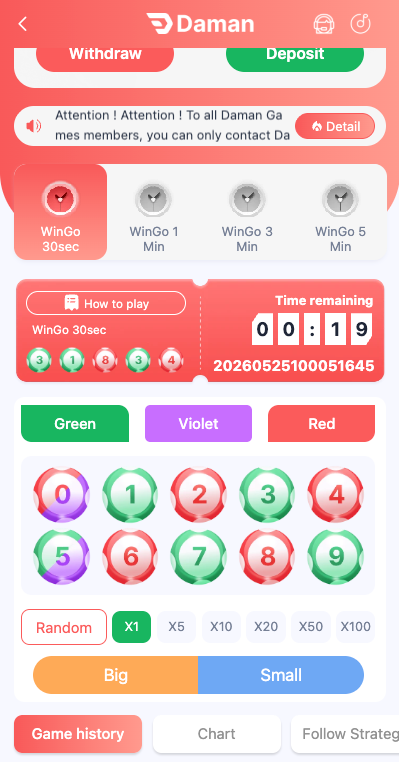
Daman Game dashboard
The mobile category and account-navigation layout.
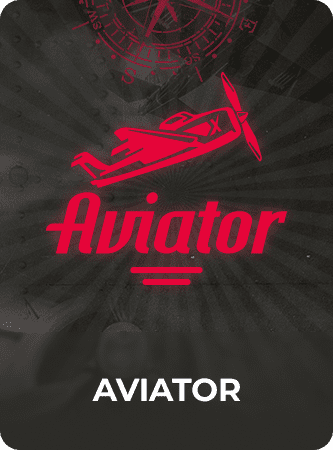
Aviator artwork
Aircraft-themed artwork for the crash-style game.

Bac Bo artwork
Dice-table themed artwork.
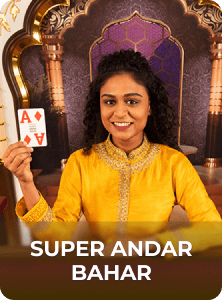
Andar Bahar artwork
Card-themed game artwork.
Slots, fishing and the game catalogue
Slot-style games normally show reels and symbols. Fishing titles use animated targets and shooting-style controls. Their visual presentation can be very different from timed lottery cards, even when both appear on the same mobile home screen.
The platform catalogue can change, and screenshots may not represent current availability. Use the on-screen title and category label as the first clue, then read the rules attached to that title. Do not rely on decorative rewards graphics when trying to understand the actual mechanic.
To see how the categories fit onto a phone screen, the Daman Game App page explains the category tiles and bottom navigation. For a closer explanation of multiplier outcomes, visit the Daman Game Aviator page.
How to recognise a Daman Game title before reading the rules
A Daman Game collection can place many thumbnails close together, but the artwork usually gives a clue about the format. Win Go often shows coloured number balls or a history strip; K3 centres on dice or a total; 5D uses multiple number positions; Aviator features an aircraft and a changing multiplier. These signs help identify the right information page without assuming that all the games behave alike. When two titles have a similar colour palette, look at the result display rather than the background art.
Number games are especially easy to mix up. A list of recent Win Go outcomes is not the same as three dice added together. A five-digit result is not the same as choosing one colour. The visible history may show a succession of results, but that sequence is descriptive, not a prediction system. Claiming that a colour or number must appear after a streak is a common misunderstanding of random outcomes.
The original game assets include Win Go, Aviator, Crazy Time, Bac Bo and Andar Bahar visuals. These illustrations appear beside the matching explanations. A game description should answer what the title looks like and what makes its interface distinct, not promise a payout or recycle the same paragraph with a different heading. Availability, rules and operator identity may differ between services using similar names.
Different meanings of a round, hand and multiplier
In a timed result game, the word round often means a countdown and a result released at its end. A round identifier can help distinguish one result from the next, particularly when several durations appear side by side. In a card title such as Andar Bahar, attention moves to the cards and the rules for that hand. In a wheel-based presentation such as Crazy Time, the visual focus is the wheel and any on-screen feature labels. The same word game hides several different systems.
A crash-style interface such as Aviator uses a rising numerical multiplier and a sudden stopping point. It does not work like a colour-result list or a dice total. Looking at a previous multiplier is no more reliable as a forecasting method than looking at previous lottery outcomes. If you are reading an Aviator screenshot, focus on recognising the x notation, flight state and completed-history panel. None of those visual elements guarantees the next stopping value.
When a platform groups titles under one category, its label is a browsing convenience. Casino, Lottery, Fishing and Slots are catalogue headings, not a single universal set of rules. A title may be supplied by an outside provider with a distinct interface. For anyone comparing game formats, it helps to identify the provider or game name first and read the current rule text rather than assuming an old screenshot explains all versions.
Why category artwork must match the written explanation
A useful Daman Game Games page should not place a roulette image beside an explanation of K3 dice totals. The mismatch makes even accurate text confusing. The pack has enough game-specific artwork to show each area more clearly: the aircraft icon belongs with Aviator, the card illustration belongs with Andar Bahar and the dice-related imagery belongs with number or table formats that use dice. This matters most on mobile, where images and paragraphs may appear one below the other.
Another distinction is between game artwork and screenshots of an actual interface. A brightly rendered thumbnail is useful for identifying a title, but it might omit counters, buttons or result-history details. A screenshot can show the placement of those controls, yet it may also capture personal data or an old version. We keep the visual type clear in captions so a reader knows whether they are viewing a category illustration or an example interface.
The category list is for orientation. Someone looking specifically for Win Go should be able to recognise it without reading about recharge. Someone searching for account recovery should follow the login or security section instead. Focused pages and clear links reduce duplicate text, improve accessibility and keep the homepage from becoming a confusing wall of near-identical descriptions.
Games FAQs
How is Daman Game Win Go different from Daman Game K3?
Win Go commonly shows timed number and colour results; K3 is a three-dice result format.
What does the multiplier mean in Daman Game Aviator?
It is a changing number during the crash-style round, not a guarantee about where a future round will end.
Are all game titles always available?
No. A catalogue or screenshot can be older than the current platform selection.
Does a run of previous results predict the next round?
No. A history display records outcomes and should not be treated as a reliable prediction method.